
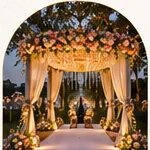

A considered wedding plan is not simply a long list of suppliers. It is a shared understanding of the experience you want to create, the people it needs to serve and the decisions that will shape the day.
Begin with the feeling, not the décor
Before selecting colours or installations, describe how you want the celebration to feel. Is it intimate and ceremonial, vibrant and social, or composed across several days? This emotional direction gives later decisions a clear reference point.
Agree the guest picture and family priorities
Develop an initial guest estimate, identify important family considerations and note any ceremonies or traditions that need dedicated time. A realistic guest picture helps with venue, hospitality and movement planning.
Build the event architecture
List every event and ceremony, the likely date or time, the venue requirements and the people responsible for decisions. Multi-day celebrations benefit from one master schedule supported by a detailed run sheet for each function.
Set a clear scope and investment framework
Discuss the priorities, preferred level of support and approximate investment range early. Separate essential requirements from optional enhancements, and ask for clarity on inclusions, exclusions, supplier responsibilities and payment milestones.
Plan the guest journey
Consider arrivals, accommodation, transport, accessibility, food, programme transitions and communication. Hospitality details are often what make an otherwise complex celebration feel effortless to guests.
Confirm ownership and contingency planning
Every important workstream should have a named owner and a decision deadline. Include practical contingencies for weather, technical issues, schedule changes and supplier dependencies.