
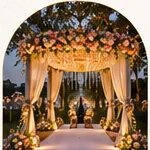

The appeal of a destination wedding is the opportunity to bring people together in a setting that becomes part of the celebration. The destination also adds practical layers that need to be planned early.
Evaluate the destination as a guest journey
Consider travel connections, transfer times, arrival windows and the needs of older guests, children and anyone requiring additional assistance. A beautiful location should also be workable for the people travelling to it.
Understand venue constraints
Ask about capacity, indoor and outdoor options, sound restrictions, setup access, weather plans, vendor permissions and the availability of spaces for each function. Request written details before committing.
Coordinate accommodation and movement
Map likely room requirements, check-in and check-out times, transfer routes and communication responsibilities. Make it easy for guests to understand where they need to be and when.
Build a realistic multi-day programme
Avoid treating each function as a standalone event. Include setup windows, supplier movements, guest rest periods and transitions between spaces so the schedule remains comfortable.
Confirm local supplier and production arrangements
Clarify what the venue provides, which suppliers can work on-site and what must be brought in. Technical production, décor, catering coordination and logistics should be planned as one connected scope.